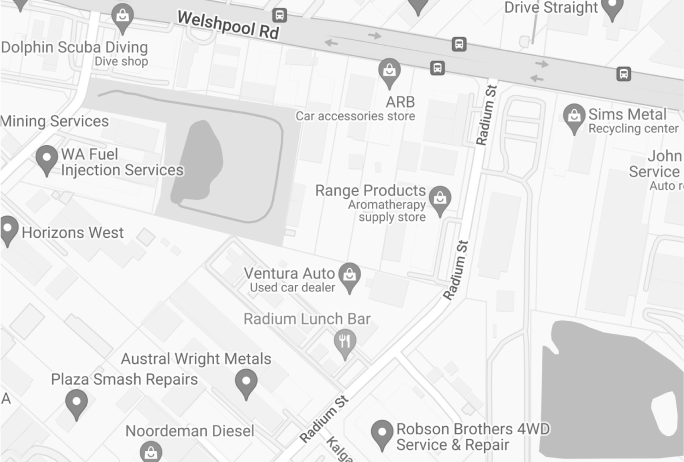
100+ Google reviews




Thyme essential oil comes from Thymus vulgaris, and thymol is its main active compound. Its main uses are fragrance in blends and laboratory-tested antimicrobial activity, with a small trial on hair. Thyme is a hot oil, so dilute it carefully, at about one drop per tablespoon of carrier oil.
Key Takeaways
- Antimicrobial research: Thyme oil shows antibacterial and antifungal activity mainly in laboratory studies, which do not establish how a homemade product will perform.
- Aromatic use: A small amount adds a clear herbal note to diffuser mixtures and household cleaning blends.
- Hair evidence: In a 1998 trial, 44% of people with alopecia areata improved using a blend of thyme, rosemary, lavender and cedarwood, compared with 15% on carrier oils alone.
- Skin preparation: Thyme needs a lower dilution than most oils, with a patch test before wider use.
What is Thyme Essential Oil?

White thyme essential oil is an aromatic extract of Thymus vulgaris herb, used in small amounts because of its concentrated character.
The white thyme that Range Products supplies is extracted with carbon dioxide (CO₂) rather than steam distilled. The two methods separate the aromatic material in different ways.
Steam distillation passes steam through the plant material, and the heat carries the volatile compounds away with it. CO₂ extraction uses carbon dioxide under pressure as the solvent at a much lower temperature, and the CO₂ returns to a gas once the pressure drops, so none of it remains in the oil.
The practical difference is heat. Working without the heat of steam, CO₂ extraction can capture compounds that distillation damages or leaves behind, so the extract tends to sit closer to the aroma of the fresh herb.
When selecting it for a formulation, these details tell you what you are buying and how the aroma will sit in a blend:
- Origin: Range Products states that the oil comes from India, but the country of origin may vary between batches.
- Aroma: It has a fresh, sharp scent with a warm herbal character, which can become prominent even at a low amount.
- Fragrance note: Thyme works as a middle note. Lemon adds a brighter partner, and lavender adds a softer floral element.
Thymol is the key active constituent in many thyme oils, though its amount varies between oils and batches. Carvacrol is a closely related compound, and both belong to a group called phenols. Phenols give thyme its sharp, warm character. They are also the reason it irritates skin more readily than most oils, which is why thyme needs a lower dilution than the general rule suggests.
The botanical name alone does not reveal the balance between these constituents, so ask for batch information when the constituent profile matters to your product.
What are the Benefits of Thyme Oil?
Thyme oil is best known for its aroma and for antimicrobial findings from laboratory studies. Each use below is matched to the strength of its evidence.
Antibacterial and antifungal properties
Thyme oil has been tested against bacteria and fungi in laboratory conditions. A 2014 study of thyme oil from Romania, for example, reported strong antimicrobial activity against seven food-related bacteria and fungi, using laboratory testing methods. These results describe tested samples and concentrations. They do not show that a homemade blend will prevent illness or treat an infection.
Thyme also provides a distinct herbal fragrance in household cleaning blends. Any disinfectant claim needs evidence for the finished formulation, including its concentration and the contact time required on a surface.
If you are developing a water-based surface spray, remember that oil and water separate, so shaking the bottle will not hold the oil in suspension. You need a solubiliser, an ingredient that lets the oil disperse evenly through the water. Range Products stocks Polysorbate 20, which is the one commonly used with essential oils, along with Polysorbate 80 and 85. Follow the supplier documentation for how much to use against your oil content.
A water-based product also needs a preservative because water lets bacteria and mould grow even in a cleaning spray. Range Products stocks preservatives for this purpose.
Respiratory and cough support
Thyme has a long traditional use in cough and cold preparations. The European Medicines Agency recognises traditional use for specific medicinal products, including oral liquids for chesty cough and preparations applied to the skin or added to a bath. Those are licensed products made to a set formula, and the monograph covers steam-distilled thyme oil.
A diffuser blend is a different thing. What it offers is the aroma: a sharp, herbal scent that many people find makes the air feel clearer during a cold. That is a sensory effect, and it has not been shown to relieve a cough. Keep the amount small rather than raising it to chase a stronger effect.
Steam inhalation brings you much closer to concentrated vapour than scenting a room does, so it needs particular care around sensitive airways. Persistent coughing warrants a professional assessment before you add an inhaled fragrance to your routine.
Skin and Scalp
Thyme oil is used in skincare mainly for its fragrance in a suitably diluted cosmetic preparation such as an herbal soap or a massage oil. Cosmetic fragrance use does not show that thyme improves a skin or scalp condition.
When you use thyme oil in a scalp or skin massage, the carrier distributes the aromatic ingredient and provides lubrication. Choose the carrier according to the feel you want after application, particularly for an oil intended for use before shampooing.
Does Thyme Oil Help Hair Growth? What the Research Shows
The most relevant evidence concerns an aromatic scalp blend used for alopecia areata, a condition that causes patchy hair loss. The blend combined thyme, rosemary, lavender, and cedarwood, diluted in jojoba and grapeseed oils.
In a 1998 trial published in the Archives of Dermatology, Hay and colleagues tested this blend in patients with alopecia areata over seven months. Patients received daily scalp massage. Results were reported for 43 patients who received the blend and 41 who received carrier oils alone, and the trial was randomised and double-blind.
The results are summarised below.
| Trial Detail | Aromatic Blend Group | Carrier-Only Group |
|---|---|---|
| Essential oils | Thyme, rosemary, lavender and cedarwood | None |
| Carrier oils | Jojoba and grapeseed | Jojoba and grapeseed |
| Application | Daily scalp massage | Daily scalp massage |
| Participants showing improvement | 19 of 43, or 44% | 6 of 41, or 15% |
The trial itself was well designed. It was randomised and double-blind, it compared the blend against carrier oils alone, and the difference between the two groups was large enough to be unlikely down to chance. That makes it stronger evidence than most aromatherapy research, and it is the reason thyme comes up in hair care at all.
What it cannot tell you is how much of that result came from thyme, because the blend held four oils, or what dose of thyme alone would do. The results also concern alopecia areata rather than every cause of thinning or reduced density.
The practical takeaway is to work with the combination that was tested rather than thyme on its own. Range Products stocks all four of those oils, as well as jojoba and grapeseed as carriers, so a scalp blend can follow the same lines. Use the dilution guidance below and keep thyme as the smallest part of the blend.
When you consider thyme oil for hair, separate regrowth from the appearance of the hair you already have. The distinction matters for two reasons. A conditioning oil coats the strand, so hair can look thicker and shinier within days, while regrowth from the follicle takes months and works by a different mechanism. Judging an oil by how your hair looks after a week tells you about conditioning, not growth.
The same distinction applies when assessing batana oil for hair growth and other ingredients used in conditioning routines.
How to Use Thyme Essential Oil

Thyme essential oil uses require different preparations for skin contact and room fragrance, so choose the application before measuring your ingredients.
Dilution
For general blends, Range Products’ essential oil quantity guide advises converting the carrier volume in millilitres to drops, then halving the result. A 100ml carrier preparation therefore takes no more than 50 drops of essential oil. For young children or sensitive skin, the guide halves that figure.
Thyme needs a lower amount than that general rule suggests. Range Products’ thyme product page recommends about 1 drop per tablespoon of carrier oil for skin use, with a patch test first. An Australian metric tablespoon holds 20 ml, which gives you a practical measure for a small personal-use blend.
Drop sizes vary between bottles, so this is an approximate guide rather than a precise concentration. If you make products for sale, measure ingredients by weight and assess the total aromatic content of the finished formulation.
On the skin and scalp
When you use thyme essential oil on hair or skin, patch test a small amount of the finished dilution before wider application.
- Measure your carrier: Use a clean container and an accurate measuring utensil before adding the thyme oil.
- Combine the ingredients: Mix thoroughly so that you apply the prepared blend rather than concentrated oil.
- Apply gently: After patch testing, spread a modest amount with your fingertips and avoid vigorous rubbing on the scalp.
- Check your response: Stop using the preparation if irritation develops, even if earlier applications felt comfortable.
For soap, keep thyme at a low fragrance load within the limits for your complete rinse-off formula. Trial a small batch with lavender or lemon before scaling up, so you can judge the herbal strength in the finished bar.
Steam inhalation
Steam inhalation is usually done by leaning over a bowl of hot water with a towel over your head. That single method is what creates both of the risks worth knowing about.
The first is scalding. Your face sits directly above near-boiling water, so a knock or a slip can tip it over you. The second is the vapour. The towel traps it, so you breathe a far higher concentration than any diffuser would produce, and you cannot easily back away from it. Thyme is phenol-rich and already irritating to airways and mucous membranes, which is exactly the wrong profile for concentrated, enclosed exposure.
Avoid the bowl and towel method. If a healthcare professional recommends an inhalation method, follow their instructions rather than adapting a diffuser recipe for closer exposure.
Diffusing
Use 1 to 2 drops of thyme as a minor part of a diffuser blend, within the device manufacturer’s total oil allowance. Start with the smaller amount, so its strong herbal character does not overwhelm the other ingredients.
Diffuse in intervals rather than continuously. Tisserand Institute guidance suggests diffusing for 30 to 60 minutes, then pausing for 30 to 60 minutes, and letting fresh air into the room. Shorter exposure may suit you better, and you should stop if the fragrance increases coughing or causes discomfort.
Thyme Essential Oil Safety: Who Should Avoid It
Thyme is a hot oil that can irritate the skin and mucous membranes, particularly when concentrated drops touch sensitive tissue. The European Medicines Agency’s herbal monograph reports that allergic reactions and skin irritation have been reported with thyme oil medicines, although how often they occur has not been established. Dilution does not guarantee that everyone will tolerate thyme oil.
The EMA monograph covers steam-distilled thyme oil, so use it as general safety guidance rather than as a specification for Range Products’ CO₂ extract. Follow these precautions when deciding whether thyme belongs in your routine or product formulation:
- Children: Avoid use on children. Store bottles where children cannot reach or open them.
- Pregnancy and breastfeeding: Speak to a healthcare professional before use, so you receive advice suited to your circumstances.
- Medical care: Get professional guidance if you take prescribed medicines or receive care for an existing condition.
- Face: The EMA monograph advises against applying thyme oil medicines to the face.
- Eyes and sensitive tissue: Keep the oil away from eyes and mucous membranes, including when handling a diluted preparation.
- Ingestion: Do not swallow thyme oil or add concentrated drops to drinks as a home remedy.
- Pets: Keep the oil away from animals, and do not diffuse it in a closed room containing pets.
Thyme Oil DIY Blends
Thyme oil in simple blends works best when its strong scent stays in proportion to the other ingredients. Range Products’ essential oil blending chart can help you choose complementary partners for your own combinations.
For a herbal diffuser mixture, measure these oils within the total allowance for your device:
- Thyme oil: 1 drop
- Lavender oil: 2 drops
- Lemon Cold Pressed Essential Oil: 2 drops
Add the mixture as your diffuser manufacturer directs, following the ventilation and session guidance in the diffusing section. Lavender softens the herbal character, and lemon adds a brighter note without needing more thyme.
For a diluted adult scalp oil, combine these ingredients in a clean, dry bottle:
- Jojoba oil: 30 ml
- Thyme oil: 1 drop
- Lavender oil: 1 drop
Mix thoroughly and label the bottle with its contents and preparation date. Store it away from heat and direct light. Follow the skin application method above, using a small amount on the scalp before washing your hair.
Choose Thyme Essential Oil From Range Products
Range Products supplies white thyme oil from Thymus vulgaris, extracted with carbon dioxide. The oil is sourced from India, and the origin may vary between batches. A 50ml or 100ml bottle suits occasional blending, while the 500 ml and 1 kg sizes suit regular production.
Range Products also stocks the other three oils from the 1998 trial, being rosemary, lavender, and cedarwood, along with jojoba and grapeseed as carriers. For water-based sprays, it also carries Polysorbate 20 and preservatives, so a full formulation can come from one order.
Order Range Products white thyme oil for your next batch. Larger sizes lower the price per litre. The 500 ml and 1 kg sizes are classed as dangerous goods, so a delivery surcharge may apply. Australia-wide delivery is available, and Click and Collect is an option for Perth customers.
Disclaimer: Information is educational only, and essential oils don’t replace medical advice or prescribed care for an existing health condition. Final product makers remain responsible for regulatory compliance and labelling, including any recalls involving the products they manufacture.
Thyme Essential Oil FAQs
What is thyme oil good for?
Thyme essential oil offers a strong herbal fragrance for household and cosmetic blends. Its antimicrobial properties have been studied mainly in laboratory conditions.
Can thyme oil be used on skin?
Adults can use thyme in a suitably diluted preparation after a patch test, following the lower amount described in the dilution section.
Is thyme oil good for hair growth?
Thyme was one of four oils in a 1998 trial where 44% of people with alopecia areata improved, compared with 15% using carrier oils alone. The blend also held rosemary, lavender, and cedarwood, so the result cannot be credited to thyme by itself. If you are dealing with unexplained hair loss, get professional medical advice on the cause before choosing a scalp product.
Can you diffuse thyme oil?
Thyme can add a minor herbal note to a diffuser blend when you keep the amount suited to your device and follow the inhalation precautions above.
Is thyme oil safe for pets?
Keep thyme oil away from pets, and do not apply it to their skin or coat, including in a diluted mixture. Before you use aromatic products in spaces shared with animals, ask your veterinarian about precautions for the species in your care.
Back to Top: Thyme Essential Oil: Benefits, Uses, Hair Growth, and Safety (Australia, 2026)