

 100+ Google reviews






 08 9358 4448
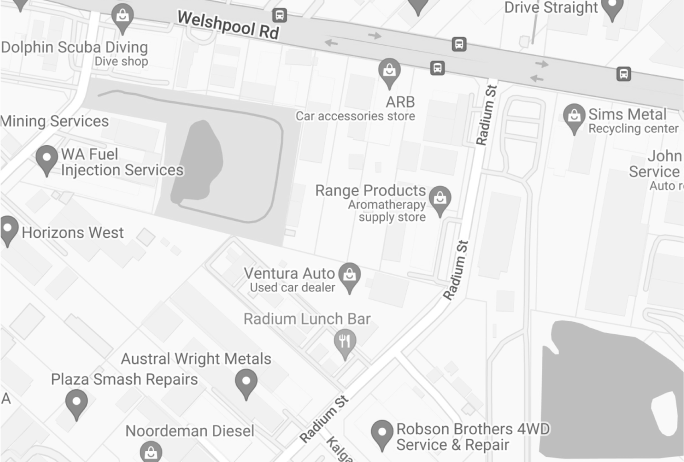
  6/138 Radium St
  sales@rangeproducts.com.au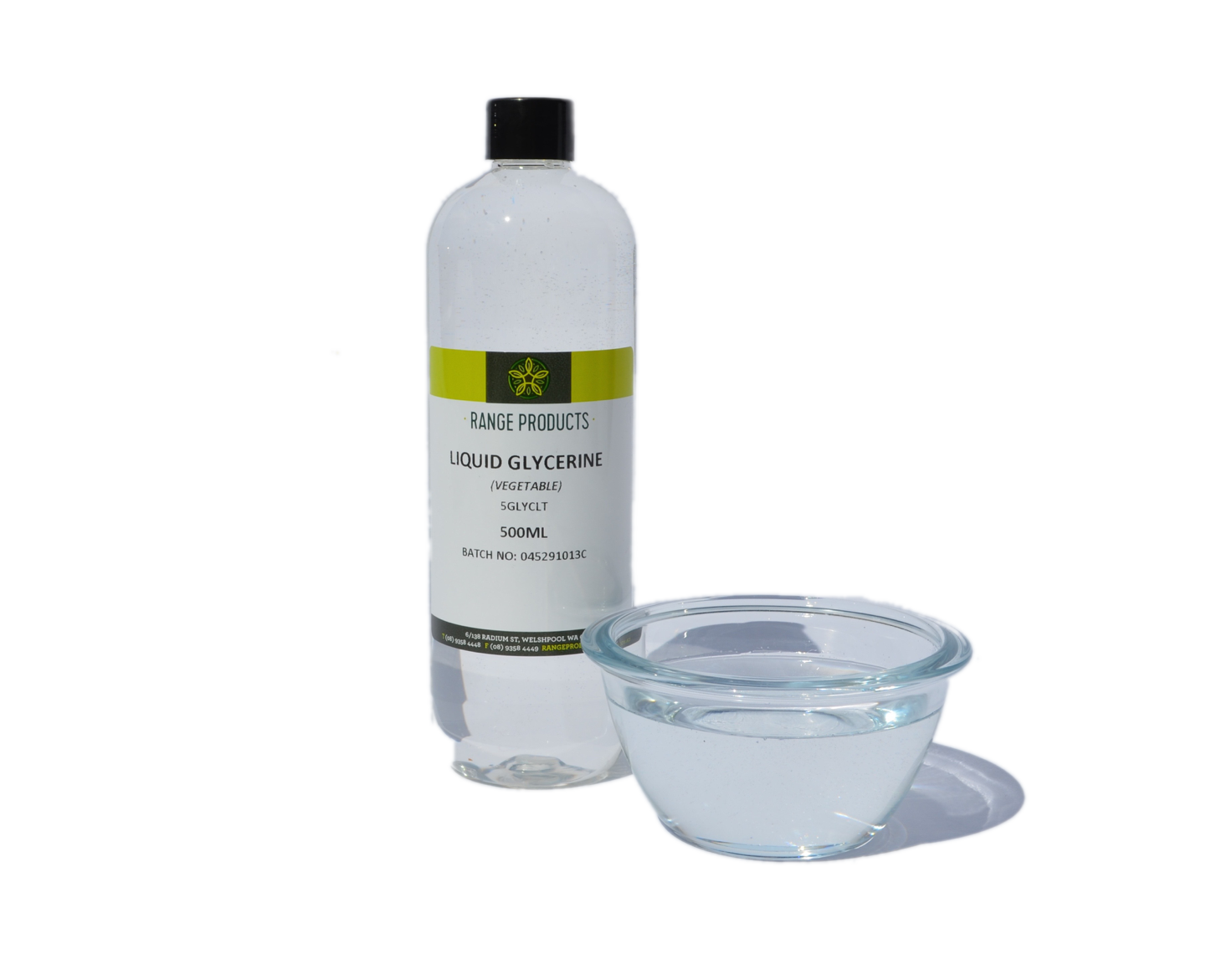


Description
Natural, vegetable derived liquid glycerine, often added to the water phase of moisturisers and lotions as a humectant to help draw moisture into the skin.
Glycerine, a versatile and valuable byproduct of the soap-making process, is a crucial ingredient in various industries. It’s renowned for its moisturising properties, making it a staple in skincare and pharmaceutical products. At Range Products, we offer high-quality bulk glycerine, available in sizes ranging from 500ml to 15Ltrs, ensuring you find the perfect quantity for your needs.
What is Glycerine?
Glycerine, equivalently called glycerol, is a liquid that is colourless, odourless, and has a sweet taste. It exhibits high solubility in water and is prominently used in the food industry, functioning as both a sweetener and a preservative. Glycerine’s hygroscopic nature qualifies it as an outstanding moisturiser in skincare products, facilitating the attraction of water to the skin’s outer layer.
Range Products: Your Trusted Supplier in Perth, Australia
| Name | Weight | Price |
|---|---|---|
| Glycerine (Liquid) – 500ml | 500ml | $6.60 |
| Glycerine (Liquid) – 1Ltr | 1Ltr | $11.00 |
| Glycerine (Liquid) – 5Ltrs | 5Ltrs | $49.50 |
| Glycerine (Liquid) – 15Ltrs | 15Ltrs | $132.00 |
Based in Perth, Range Products stands as a beacon of quality and reliability in the supply of essential raw materials, including glycerine. We pride ourselves on our commitment to quality, offering products that meet the highest standards.
Why Choose Range Products?
Choosing Range Products as your supplier means opting for unparalleled quality and customer service. Our well-stocked store in Welshpool, Western Australia, offers a diverse selection of essential oils, base products, carrier oils, and, of course, glycerine. We ensure a customer-centric approach, focusing on your needs and providing Australia-wide delivery to meet them.
Exploring Bulk Glycerine Options
At Range Products, we understand the varying needs of our customers, offering glycerine in sizes from 500ml to 15Ltrs, catering to both small-scale and large-scale requirements.
Available Sizes
Whether you are a small business owner looking for smaller quantities or a large manufacturer in need of bulk supplies, we have you covered. Our glycerine is available in 500ml, 1Ltr, 5Ltrs, and 15Ltrs, allowing you to choose according to your needs.
Pricing Details
Our transparent and competitive pricing ensures you receive value for your money. The prices are listed clearly on our website, allowing you to make informed decisions based on your budget and requirements.
How to Buy Bulk Glycerine from Range Products
Purchasing bulk glycerine from us is a straightforward process. Simply visit our website, select the desired size, and add it to your cart. We offer secure payment options and Australia-wide delivery, ensuring a seamless buying experience.
Ordering Process
Our user-friendly website makes the ordering process a breeze. Select the size, quantity, and proceed to checkout. We accept various payment methods, ensuring a smooth transaction.
Australia-Wide Delivery
We understand the importance of receiving your products promptly. That’s why we offer Australia-wide delivery, allowing you to receive your bulk glycerine wherever you are located in the country.
Wholesale Opportunities with Range Products
We welcome businesses looking for wholesale opportunities. Becoming a wholesale partner with Range Products opens the door to a world of high-quality products and benefits.
Becoming a Wholesale Partner
To become a wholesale partner, get in touch with us directly. We will guide you through the requirements and benefits, ensuring a mutually beneficial partnership.
Wholesale Enquiries
For any wholesale enquiries or additional information, please contact us. Our team is ready to assist you in exploring wholesale opportunities and answering any questions you may have.
FAQs
How can I buy bulk glycerine from Range Products in Perth, Australia?
Purchasing bulk glycerine from Range Products in Perth, Australia can be done directly through our website, with the availability of Australia-wide delivery. For inquiries related to wholesale, please directly contact us.
What sizes of bulk glycerine does Range Products offer?
Range Products offers glycerine in several sizes, specifically 500ml, 1Ltr, 5Ltrs, and 15Ltrs.
Why choose Range Products as your bulk glycerine supplier in Australia?
Choosing Range Products as your bulk glycerine supplier in Australia is beneficial as it is a reputable supplier located in Perth. It provides quality assurance, a diverse array of products, and maintains a focus on customer needs.
Is wholesale purchasing available for suppliers in Australia?
Wholesale purchasing is indeed available for suppliers located in Australia through Range Products. For inquiries and to initiate a partnership in wholesale, please contact us.
Conclusion
Range Products, located in Perth, Australia, stands out as a trusted supplier of bulk glycerine, offering quality and reliability. Whether you are in the food, pharmaceutical, or skincare industry, our glycerine meets the highest standards, available in various sizes to suit your needs. Explore our options, enjoy our competitive pricing, and experience our commitment to quality and customer satisfaction.
Back to Top: Bulk Glycerine




Amelia Davis -
Emily Thompson -
Sophia Brown -
Olivia Johnson -