Safflower Oil Refined
Price range: $6.00 through $205.00
Product Information
Description
Description
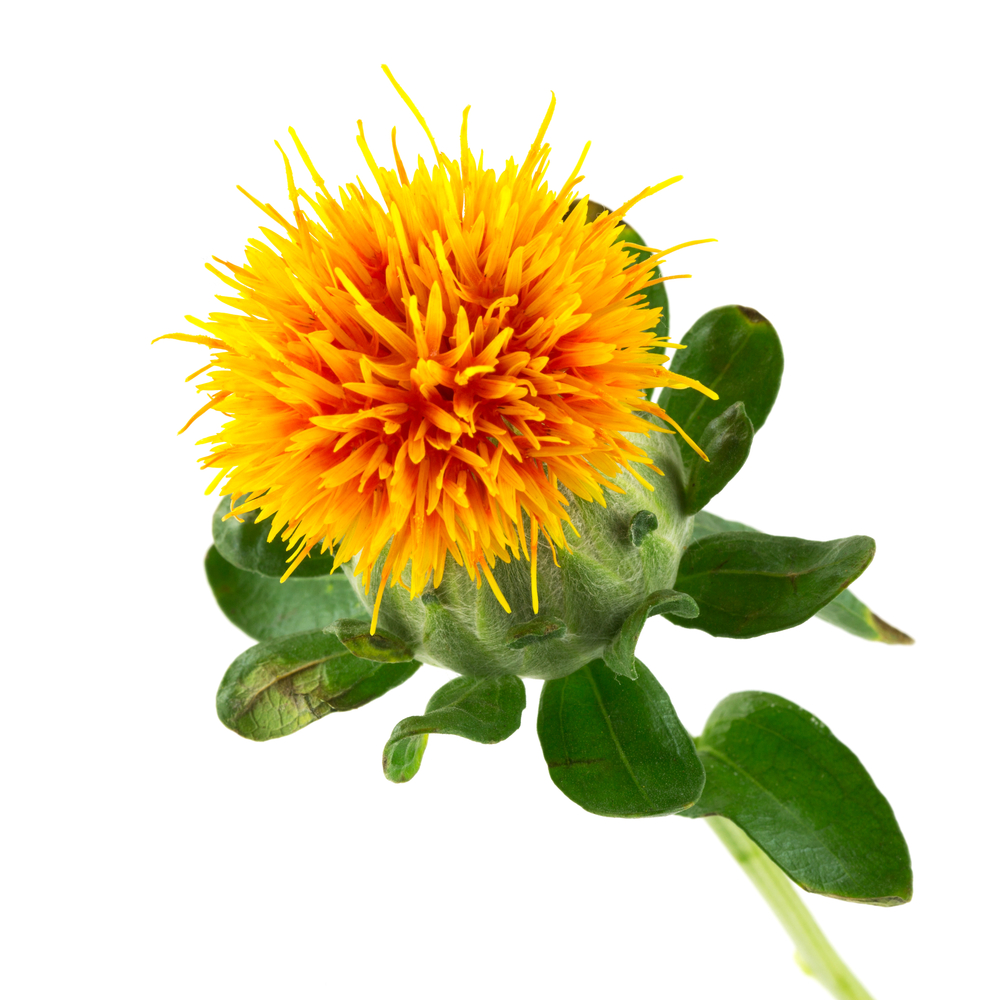
Safflower oil is a light, pale carrier oil pressed from the seeds of Carthamus tinctorius, and Range Products supplies it refined and Australian-grown in bulk sizes from 100ml through to 15L, with a black drum tap available for the 15L. It is a clean, low-odour oil that sits well in almost any cosmetic formulation.
Because we sell it as a raw ingredient rather than a finished retail product, the same oil suits a household topping up the bathroom shelf, a massage therapist or salon buying by the litre, and a soap or cosmetics business that needs a dependable, no-additives base oil. It is one of the few oils in our range grown here in Australia rather than imported.
Other vegetable oils worth a look: Olive Oil, Coconut Oil and Rice Bran Oil.
Benefits
- Light and fast-absorbing, so it sinks in without a heavy or greasy feel
- Helps skin feel soft, smooth and conditioned
- Low on the pore-clogging scale, which makes it a popular pick for oily and combination skin
- A clean, low-odour base that does not fight with fragrance or essential oils
- An excellent carrier for diluting essential oils before they go on the skin
- Australian-grown, so it does not carry the freight of an imported oil
- Cost-effective in bulk for salons, makers and manufacturers
How to Use
Skincare
Use it on its own as a light facial or body oil, or as the base oil in formulations such as serums, lotions, body oils and masks. Its light feel makes it a favourite for people who find heavier oils too rich.
Massage
Safflower oil gives a smooth, light glide that does not leave a greasy residue, so it works well on its own or blended with a richer oil for massage. Add a few drops of essential oil per 100ml to scent it.
Hair and scalp
Smooth a small amount through the lengths to add shine and tame frizz, or use it as a light pre-wash oil on the scalp before shampooing out.
Soap and cosmetic making
It is a conditioning oil in cold-process soap and a light base in balms, scrubs, creams and lotions. Add it at the usage rate for your recipe.
As a carrier oil
Safflower oil is a popular carrier for diluting essential oils to a safe level before they are applied to the skin, especially where a light, low-odour base is wanted.
Product Details
- Botanical name: Carthamus tinctorius
- Common name: Safflower oil (refined)
- Part of plant used: Seeds
- Method of extraction: Cold pressed, then refined
- Country of origin: Australia
- Appearance: Pale yellow, light liquid
- Aroma: Mild, low odour
- Absorption: Light, absorbs readily
- Storage: Keep in a cool, dark place, tightly sealed. Refrigeration helps extend its life.
- Safety: For external cosmetic use. Patch test before first use.
FAQs
What is the difference between safflower oil and sunflower oil?
They are close cousins and behave similarly in formulation, both being light, pale, high-linoleic carrier oils. Safflower comes from Carthamus tinctorius and sunflower from Helianthus annuus. Many makers treat them as interchangeable in a recipe and choose on price, scent and availability.
Is this high-linoleic or high-oleic safflower oil?
Safflower is grown in two types: a high-linoleic type and a high-oleic type, and they suit slightly different uses. The fatty acid balance also varies a little from batch to batch. If you need the exact linoleic or oleic figures for a formulation, contact our team and we can provide the current batch specification.
Is safflower oil good for oily or acne-prone skin?
Safflower oil is light and generally sits low on the comedogenic scale, which is why many people with oily or combination skin reach for it over heavier oils. As with any oil, patch test first if your skin is very breakout-prone.
Is this the same as the safflower cooking oil sold in supermarkets?
This is supplied as a raw cosmetic and manufacturing ingredient rather than a packaged food product, so it is intended for skincare, soap, massage and formulation use. If you need it for food use, contact our team first to confirm the right product and grade.
What is the comedogenic rating of safflower oil?
Safflower oil is generally regarded as low on the comedogenic scale, so most people use it on the face and body without trouble. Skin reacts individually, so a patch test is always a good idea before regular use.
How long does safflower oil last, and should it be refrigerated?
Stored cool, dark and sealed, refined safflower oil generally keeps for around a year, and refrigeration can extend that. Discard it if the smell turns sharp or rancid.
Is safflower oil suitable for vegan formulations?
Yes. It is pressed from safflower seeds, so it is plant-derived and suits vegan and plant-based formulations.
Additional Information
Additional information
| Weight | N/A |
|---|---|
| Size | 100ml, 500ml, 1Ltr, 5Ltrs, 15Ltrs |
100% Natural & Responsibly Sourced
We carefully select only the finest natural ingredients, sourced with respect for both people and the planet.
No GMO's or Artificial Additives
Our products are completely free from genetically modified organisms, harsh chemicals, and synthetic enhancers.
Never Tested on Animals
We never test on animals—because compassion is at the heart of what we do.
Vegan Approved
Crafted entirely from plant-based ingredients, our products are suitable for a vegan lifestyle.
Earth-Friendly Packaging
We’re committed to sustainability, using packaging that’s recyclable and kind to the environment.
100+ Google reviews