100+ Google reviews




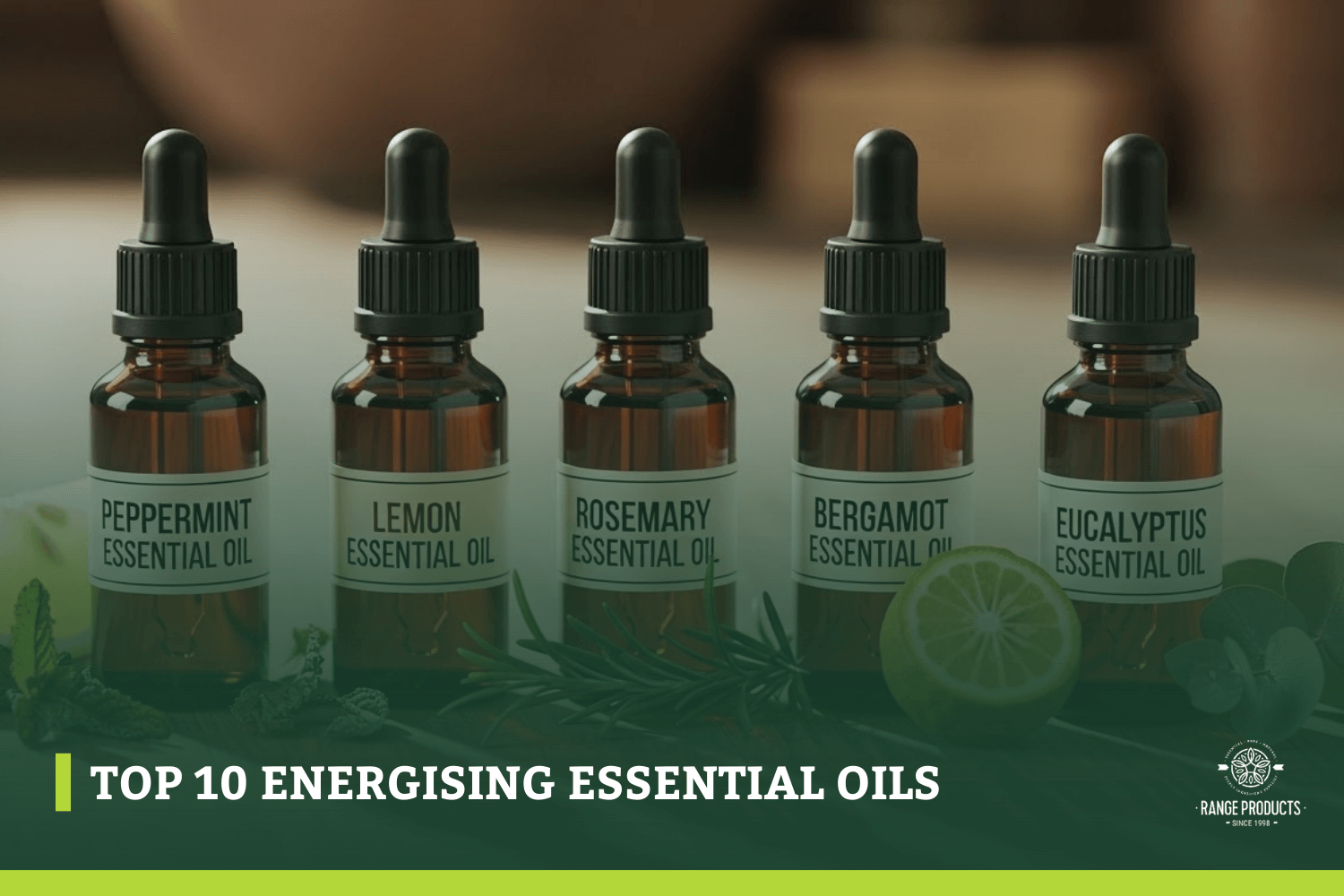
Fatigue drains your productivity and leaves you reaching for another energy drink or coffee just to get through the afternoon. Energising essential oils provide a natural alternative, delivering sustained alertness through concentrated plant compounds that stimulate your nervous system without the crash you get from caffeine. These therapeutic extracts work through your olfactory system when you breathe them in from a diffuser or apply oils directly to your skin, triggering immediate responses in your limbic brain region that regulates energy levels, mood, and focus. Whether you’re using tea tree oil for mental clarity, lavender oil to soothe stress-related fatigue, or lemongrass oil for an uplifting boost, natural remedies like these offer genuine benefits backed by clinical research.
Quality makes all the difference when you use essential oils for energy. Pure essential oils containing specific active compounds like limonene, menthol, and 1,8-cineole deliver measurable results that cheap, diluted versions simply can’t match. At Range Products, we supply 500+ premium essential oils—from invigorating sage to calming carrier oils—and raw ingredients to support your natural energy journey with the purity and potency you need for genuine results. The right essential oil blend transforms your approach to managing energy naturally, whether you’re battling mental fog, physical exhaustion, or emotional fatigue.
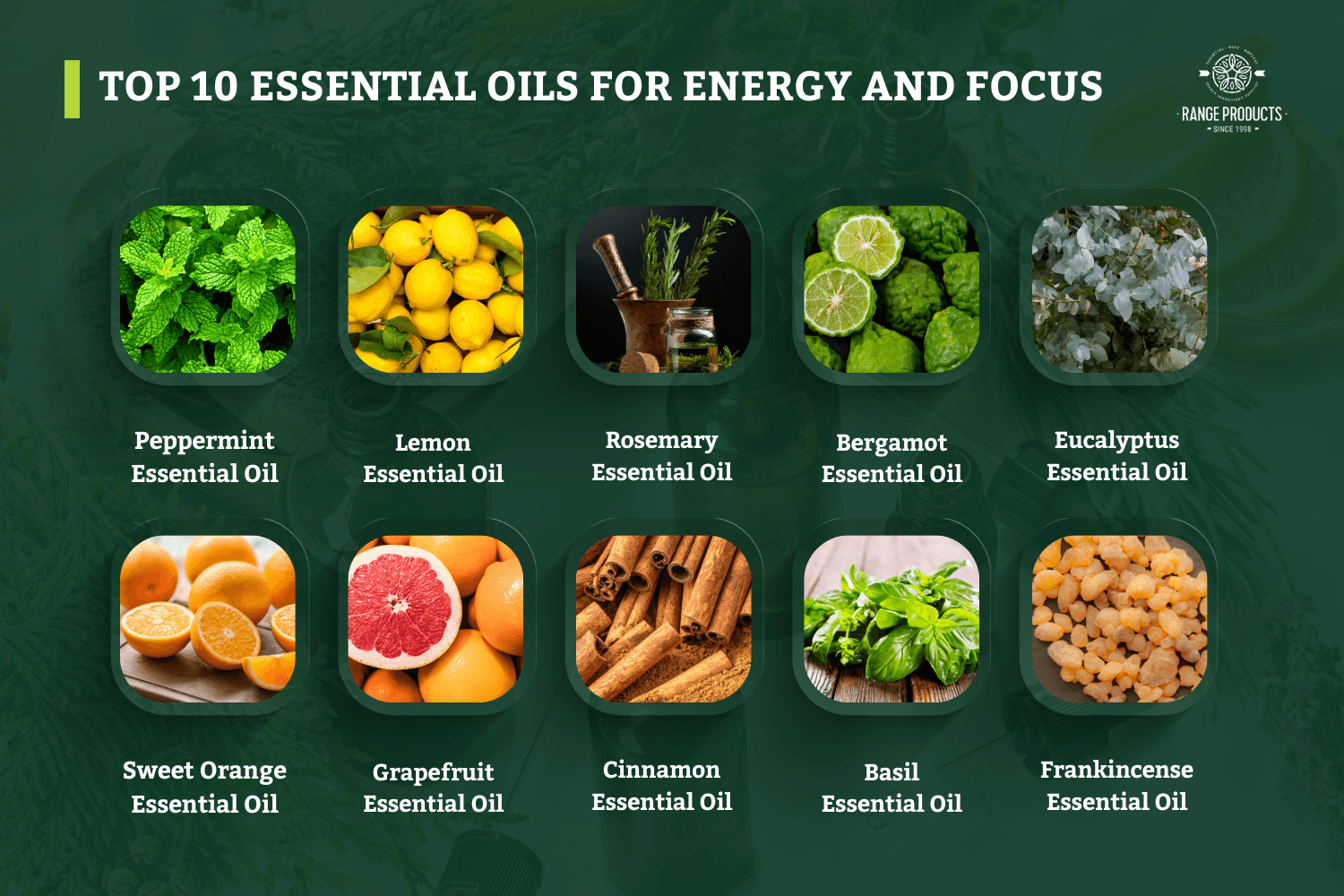
Top 10 Essential Oils for Energy and Focus
1. Peppermint Essential Oil
Peppermint oil (Mentha piperita) contains 30-50% menthol, which creates cooling sensations on skin and mucous membranes while improving blood circulation to boost cognitive alertness. Menthol activates TRPM8 receptors, increasing heart rate slightly and stimulating the trigeminal nerve pathways that promote wakefulness. Clinical studies confirm peppermint’s effectiveness for reducing mental fatigue and improving concentration during sustained cognitive tasks.
Apply 2-3 drops diluted in 10ml carrier oil and massage into temples, wrists or the back of your neck for targeted stimulation. Diffuse 4-5 drops in water for room-wide aromatic benefits, or add one drop to a tissue for quick inhalation when sudden drowsiness strikes. This versatile oil works exceptionally well for focus at work and provides immediate effects.
When purchasing, verify the botanical name is Mentha × piperita or Mentha arvensis, and confirm minimum 30% menthol content through GC/MS testing reports.
| Pros | Cons |
|---|---|
| ✅ Provides rapid mental clarity within 2-3 minutes of inhalation through direct olfactory stimulation | ❌ Strong menthol aroma may be overwhelming in small spaces or for those with scent sensitivities |
| ✅ Versatile application methods including diffusion, topical use and direct inhalation suit different preferences | ❌ Not recommended for children under 6 years due to menthol’s potential respiratory effects |
| ✅ Improves physical performance and reduces perceived exertion during exercise according to sports science research | ❌ May interfere with homeopathic remedies through menthol’s receptor-blocking properties |
2. Lemon Essential Oil
Lemon oil (Citrus limon) contains 60-70% limonene, a monoterpene that elevates mood, reduces stress hormone production and enhances immune system function. Limonene increases dopamine and serotonin synthesis in your prefrontal cortex, improving motivation and clearing mental fog that impairs decision-making. The bright citrus aroma stimulates alertness without overstimulation, making lemon essential oil ideal for sustained focus during detailed work.
Cold-pressed from citrus peel, this oil preserves heat-sensitive compounds that steam distillation would damage. Diffuse 3-4 drops for general energy enhancement, or blend with peppermint at equal ratios for amplified cognitive benefits. Add a few drops to 10ml carrier oil for wrist or chest application.
Lemon essential oil is photosensitive—avoid direct sunlight exposure for 12 hours after topical application to prevent skin irritation and hyperpigmentation.
| Pros | Cons |
|---|---|
| ✅ Fresh citrus scent appeals universally and blends well with most essential oils for custom formulations | ❌ Photosensitivity requires careful timing of application and sun avoidance protocols |
| ✅ Antimicrobial properties support immune function during cold and flu season when illness risk increases | ❌ High limonene content may cause skin sensitisation with repeated undiluted use |
| ✅ Improves air quality perception and reduces volatile organic compounds in indoor environments | ❌ Oxidises rapidly after opening, requiring use within 6-12 months for optimal potency |
3. Rosemary Essential Oil
Rosemary oil (Rosmarinus officinalis) enhances brain wave activity, particularly alpha waves associated with relaxed alertness, while lowering cortisol stress hormone levels by up to 20% in aromatherapy studies. The compound 1,8-cineole (15-25% concentration) increases cerebral blood flow and acetylcholine neurotransmitter activity, supporting memory formation and information retrieval. The rosemary essential oil’s camphoraceous aroma sharpens mental acuity and combats afternoon cognitive decline.
Dilute 2 drops in 10ml carrier oil and apply to temples or the base of your skull for targeted cognitive enhancement. Diffuse 4-6 drops during study sessions, detailed work or any task requiring sustained concentration and precise memory access. This popular oil gives exceptional results for mental clarity.
Choose Rosmarinus officinalis chemotype CT cineole for maximum cognitive benefits, as verbenone and camphor chemotypes produce different therapeutic profiles suited to other applications.
| Pros | Cons |
|---|---|
| ✅ Improves long-term memory consolidation and working memory capacity in clinical cognitive testing | ❌ Not suitable during pregnancy due to emmenagogue properties that may affect uterine tissue |
| ✅ Reduces cortisol levels while maintaining alertness, unlike caffeine which increases stress hormones | ❌ Strong herbaceous scent may not appeal to those preferring lighter citrus or floral aromas |
| ✅ Supports hair growth and scalp health when used in massage blends, providing secondary beauty benefits | ❌ High camphor content in some chemotypes contraindicated for epilepsy or seizure disorders |
4. Bergamot Essential Oil
Bergamot oil (Citrus bergamia) combines 30-45% limonene with 10-20% linalyl acetate, creating unique anxiolytic effects that help reduce stress without causing sedation. This combination increases positive emotional responses while maintaining alertness, making bergamot ideal for stress-induced fatigue where anxiety depletes energy reserves. Research shows this oil can help modulate GABA neurotransmitter activity, promoting calm focus rather than jittery overstimulation.
The distinctive citrus-floral aroma uplifts mood immediately upon inhalation. Diffuse 3-4 drops for emotional balance during demanding workdays, or blend with neroli or sweet orange at equal ratios for enhanced serotonin release. Apply 2-3 drops blended with a carrier oil to pulse points for sustained mood elevation.
Bergamot contains bergapten, a furocoumarin that increases photosensitivity. Use bergapten-free (FCF) versions for topical application, or avoid sun exposure for 12-18 hours after use.
| Pros | Cons |
|---|---|
| ✅ Reduces anxiety and stress while maintaining alertness, addressing emotional fatigue specifically | ❌ High photosensitivity risk requires careful application timing or use of FCF versions |
| ✅ Pleasant aroma widely appreciated compared to medicinal-smelling oils like eucalyptus | ❌ More expensive than other citrus oils due to limited growing regions and labour-intensive harvest |
| ✅ Combines well with most essential oils for custom blends targeting specific energy needs | ❌ Oxidises moderately quickly, requiring proper storage and timely use after opening |
5. Eucalyptus Essential Oil
Eucalyptus oil (Eucalyptus globulus) contains 70-85% 1,8-cineole (eucalyptol), which stimulates brain function, enhances mental clarity and opens respiratory pathways for improved oxygen delivery. Eucalyptol increases cerebral blood flow by 15-20% within minutes of inhalation, supporting cognitive tasks requiring sustained attention and processing speed. The penetrating aroma clears mental fog and rejuvenates tired minds, making this oil is great for morning routines.
Diffuse 3-5 drops for maximum respiratory and cognitive benefits, or add 2 drops to 10ml carrier oil and apply to chest or temple areas. The eucalyptus oil’s mucolytic properties make it particularly effective when fatigue stems from congestion or restricted breathing that reduces oxygen saturation.
Select Eucalyptus globulus for highest cineole content and strongest energising effects, though Eucalyptus radiata offers a gentler option for sensitive individuals.
| Pros | Cons |
|---|---|
| ✅ Opens airways and improves respiratory function, increasing oxygen delivery to support physical energy | ❌ Strong medicinal scent may be too intense for extended diffusion in small spaces |
| ✅ Demonstrates antimicrobial effects that support immune function during high-stress periods | ❌ Not safe for children under 10 years or individuals with asthma without professional guidance |
| ✅ Reduces mental fatigue and improves concentration during extended cognitive work sessions | ❌ May cause skin warming or irritation at concentrations above 2% in topical applications |
6. Sweet Orange Essential Oil
Sweet orange oil (Citrus sinensis) contains 90-95% limonene, providing potent mood elevation and stress reduction through dopaminergic pathway activation. This high limonene concentration produces more pronounced antidepressant effects than other citrus oils, making sweet orange particularly effective for emotional fatigue where low mood depletes physical energy. The warm, sweet aroma increases positive outlook and social engagement motivation, helping to uplift your spirits naturally.
Diffuse 4-6 drops for general mood enhancement and energy support throughout your space. Blend with bergamot or ylang ylang at 2:1 ratios for enhanced emotional balance, or apply 2-3 drops in 10ml orange oil with carrier oil to wrists and chest for portable aromatherapy benefits.
This essential oil is another that supports digestion and reduces bloating, addressing fatigue that stems from digestive discomfort and poor nutrient absorption. The oil is also effective for promoting relaxation when energy transitions to rest periods.
| Pros | Cons |
|---|---|
| ✅ Universally pleasant aroma makes it suitable for shared spaces and family environments | ❌ Photosensitive like all citrus oils, requiring 12-hour sun avoidance after topical use |
| ✅ Improves digestion and reduces gastrointestinal discomfort that contributes to energy depletion | ❌ Very high limonene content may cause skin sensitisation with frequent undiluted application |
| ✅ Cost-effective compared to rare oils while delivering comparable mood-elevating effects | ❌ Oxidises quickly once opened, losing therapeutic potency within 6-8 months |
7. Grapefruit Essential Oil
Grapefruit oil (Citrus paradisi) refreshes mental fatigue, relieves cognitive overload and invigorates through high limonene content (88-95%) combined with unique nootkatone compounds. Nootkatone stimulates metabolism and activates AMPK enzyme pathways that regulate cellular energy production, providing genuine energising effects beyond simple aromatic stimulation. The tart citrus aroma cuts through mental fog immediately, helping to energise your mind and body.
Diffuse 3-5 drops during afternoon energy slumps, or add 2 drops to 10ml carrier oil for application to wrists and neck. Grapefruit blends exceptionally well with peppermint or rosemary for targeted focus enhancement, or with lavender essential oil for balanced energy without overstimulation.
Like all citrus oils, grapefruit increases photosensitivity. Apply topically only when you can avoid sun exposure for the following 12 hours.
| Pros | Cons |
|---|---|
| ✅ Stimulates metabolism through nootkatone’s effects on cellular energy pathways | ❌ Most photosensitive citrus oil, requiring strictest sun avoidance protocols |
| ✅ Supports appetite regulation and reduces emotional eating linked to stress-induced fatigue | ❌ Strong tart scent may be too astringent for those preferring sweeter citrus aromas |
| ✅ Provides rapid mental refresh within 1-2 minutes of inhalation for acute fatigue episodes | ❌ May interact with certain medications metabolised by cytochrome P450 enzymes |
8. Cinnamon Essential Oil
Cinnamon oil (Cinnamomum verum) energises by boosting metabolic rate, stimulating circulation and activating sensory pathways that increase alertness. Cinnamaldehyde (60-75% in bark oil) produces warming sensations that improve blood flow and tissue oxygenation, while eugenol provides mild analgesic effects that reduce fatigue-causing discomfort. The spicy-sweet aroma motivates action and combats lethargy effectively.
This oil contains powerful compounds requiring careful dilution due to potential skin irritation—use maximum 0.5% concentration (1 drop in 20ml carrier oil) for topical application. Diffuse 2-3 drops only, as high concentrations may irritate mucous membranes. Blend with sweet orange or vanilla for more pleasant aromatic profiles.
Select Cinnamomum verum (true cinnamon) over Cinnamomum cassia, which contains higher coumarin levels that pose liver toxicity risks with regular use.
| Pros | Cons |
|---|---|
| ✅ Increases metabolic rate and thermogenesis, supporting physical energy through enhanced calorie utilisation | ❌ Highly irritating to skin and mucous membranes, requiring very low dilution rates |
| ✅ Antimicrobial properties support immune function during seasonal illness that depletes energy | ❌ Not suitable for diffusion in spaces with young children or individuals with respiratory sensitivities |
| ✅ Warming properties particularly beneficial for cold-induced fatigue and poor circulation | ❌ Strong spicy aroma limits blending options and may overwhelm other oils in mixtures |
9. Basil Essential Oil
Basil essential oil (Ocimum basilicum) stimulates adrenal glands, sharpens sensory perception and relieves nervous exhaustion through linalool (20-40%) and methyl chavicol compounds. This adrenal stimulation increases cortisol and adrenaline production in depleted states, providing genuine energy restoration rather than temporary masking of fatigue. The herbaceous aroma clarifies thought processes and reduces mental clutter effectively.
French basil (sweet basil) offers gentler effects suitable for daily use, while holy basil (Ocimum sanctum) provides stronger adaptogenic properties. Diffuse 3-4 drops for mental clarity enhancement, or dilute 2 drops in 10ml carrier oil for temple and wrist application.
This essential oil may affect oestrogen levels—avoid during pregnancy and use cautiously with hormone-sensitive conditions.
| Pros | Cons |
|---|---|
| ✅ Directly supports adrenal function, addressing fatigue at its hormonal source rather than symptoms | ❌ Potential oestrogenic effects contraindicate use during pregnancy and with hormone-sensitive conditions |
| ✅ Reduces nervous exhaustion and mental fog from chronic stress exposure | ❌ Strong herbaceous scent may not appeal to those preferring floral or citrus aromas |
| ✅ Enhances focus and sensory perception for tasks requiring detailed attention | ❌ Higher concentrations may cause skin sensitisation in individuals with fragrance allergies |
10. Frankincense Essential Oil
Frankincense essential oil (Boswellia carterii or Boswellia serrata) balances the nervous system, aids energy restoration in fatigue states and promotes cellular oxygenation through boswellic acid compounds. These compounds reduce inflammation that depletes energy resources and modulate stress response pathways, creating sustained energy rather than stimulation spikes. The resinous, slightly woody aroma centres attention and promotes calm alertness ideal for meditation or focused work.
Particularly effective for fatigue linked to chronic stress or inflammation, frankincense restores energy reserves gradually over consistent use periods. Diffuse 4-5 drops for grounding energy support, or apply 2-3 drops blended with a carrier oil to pulse points and the solar plexus for emotional balance alongside physical energy restoration.
Choose Boswellia carterii for premium quality with highest therapeutic compound concentrations, though Boswellia serrata provides similar benefits at lower cost.
| Pros | Cons |
|---|---|
| ✅ Addresses underlying inflammation and stress that cause chronic fatigue rather than masking symptoms | ❌ Effects build gradually over days to weeks rather than providing immediate stimulation |
| ✅ Supports cellular respiration and oxygen utilisation at the mitochondrial level | ❌ Premium quality frankincense carries higher cost due to limited harvest regions |
| ✅ Promotes emotional stability and mental clarity without stimulation or subsequent crashes | ❌ Earthy, resinous aroma may not provide the immediate aromatic “lift” some users seek |
Boost Energy Naturally with Range Products
Essential oils provide scientifically-supported energy enhancement through concentrated plant compounds that stimulate your nervous system naturally. From peppermint’s immediate cognitive clarity to frankincense’s sustained restoration, each oil offers unique benefits suited to different fatigue types and energy needs. Clinical research validates their effectiveness, while proper selection and application ensure safe, consistent results.
Quality determines outcomes. At Range Products, our collection of 500+ premium essential oils, carrier oils and raw ingredients gives you the purity and potency required for genuine therapeutic benefits. We supply the tools you need to create personalised energy solutions backed by rigorous testing and transparent sourcing—helping you incorporate essential oils into your daily wellness routine effectively.
Top 10 Best Essential Oils for Energy FAQs
Can essential oils replace my morning coffee?
Essential oils provide complementary energy support through different mechanisms than caffeine. While they don’t replicate caffeine’s adenosine receptor blocking, they stimulate alertness through olfactory-limbic pathways without tolerance development or afternoon crashes. Use them alongside reduced caffeine intake for sustained energy throughout your day without relying on energy drinks or multiple coffees.
How quickly do energising essential oils start working?
Effects begin within 30-60 seconds of inhalation as aromatic molecules reach olfactory receptors and trigger limbic system responses. Maximum benefits develop over 15-30 minutes with diffusion or topical application. Long-term energy improvement requires consistent daily use for 2-3 weeks as your nervous system adapts to regular aromatherapy support. Oil like peppermint provides particularly rapid onset effects.
Which essential oil works best for afternoon energy slumps?
Peppermint combined with lemon provides the strongest acute energy restoration for afternoon fatigue through complementary mechanisms—menthol’s circulation enhancement plus limonene’s mood elevation. Diffuse 3 drops peppermint with 2 drops lemon, or apply 2 drops total in 10ml carrier oil to temples and wrists for portable relief from mid-afternoon crashes. This popular combination is a popular choice for maintaining focus and alertness when energy naturally dips.
Back to Top: Top 10 Energising Essential Oils | Natural Energy & Focus Boost

Disclaimer:
Since the typical or other uses of the products are beyond the control of Range Products Pty Ltd., no representation or warranty, whether expressed or implied, is made regarding the effects of such uses (including any potential damage or injury) or the outcomes that may result. Range Products Pty Ltd. expressly disclaims any responsibility for these uses. Additionally, nothing in this website should be construed as a recommendation by Range Products Pty Ltd. regarding the suitability of the products for any specific use. The liability of Range Products Pty Ltd. is limited to the value of the goods themselves and does not extend to any consequential losses.
Range Products Pty Ltd is a wholesaler essential oils, fragrances and raw materials for the manufacture of skincare products. It is the responsibility of the final product manufacturer to determine the compliance and the labelling of this product in its final application based on the list of ingredients. Range Products Pty Ltd cannot be held responsible for any loss or product recall due to incorrect labelling.
Any information found on our website is for educational purposes only. Individuals utilising this information must determine for themselves its appropriateness for any purpose or use. Range Products Pty Ltd. shall not be liable for any damages arising from the use of or reliance on this information.
The images of fragrances, botanicals, and essential oil ingredients displayed on this website are for illustrative purposes only. While we at Range Products Pty Ltd make every effort to accurately represent our products and their natural origins, some imagery may include artistic enhancements or stylized elements intended to evoke the essence and character of each fragrance. As such, actual products and raw materials may differ in appearance.
The user is fully responsible for ensuring compliance with all applicable laws and regulations regarding the use of the products, including respecting the intellectual property rights of third parties.